SYNK LAB is an edtech company developing Korean textbooks, learning games, and a personalized learning app.We are preparing a one-year, in-person program targeting TOPIK Level 4, along with conversation classes with native Korean teachers and global English classes. Our approach connects cultural experiences, AI use, and collaborative projects to prepare learners for studying and living in Korea.
Practice the grammar and expressions you learn in textbooks through conversations and games.
LAB’s educational philosophy
Learn Korean Learn to think for yourself
We prepare students for studying in Korea and the life that follows. They work towards TOPIK Level 4, and we teach them to make their own judgements even when they use AI.
Why TOPIK Level 4?
The benchmark for studying in Korea: TOPIK Level 4
We aim for Level 4 with classes and daily life after admission in mind.
From test preparation to life in Korea.
01
Graduation
Some universities require Level 4 or higher to graduate.
02
Scholarships
Some universities offer different scholarships for Levels 3 and 4.
03
Part-time work
For third- and fourth-year undergraduates, the Korean requirement for part-time work is Level 4.
TOPIK Levels 3 and 4 compared+
TOPIK Levels 3 and 4 compared
Criteria
Level 3
Level 4
TOPIK II PBT · Out of 300
120–149 points
150–189 points
TOPIK II IBT · Out of 600
191–290 points
291–360 points
What we practice at LAB
Describe familiar situations and give reasons and opinions
Compare sources and opinions, and explain academic and social topics
Based on official guidance checked on 18 September 2026. Conditions vary by school and by person, and passing is not guaranteed.
One-year, in-person program · Preparing to open
What you prepare in one year
With TOPIK Level 4 at the centre, students also learn what they need to study and live in Korea.
01
Korean
Learn it from the textbooks, then use it in conversation and games.
02
Judgment and teamwork
Explain the reasons for your choices in team projects.
03
Portfolios
Collect what you wrote and revised, and the roles you took on.
04
Interviews and daily life
Practise visa interviews and unfamiliar situations in daily life.
If you fall short of Level 4 on your first TOPIK after the program, we extend your app account for six months, free of charge.
Opening in preparation. The conversation textbooks cover up to Level 4 and the grammar textbooks up to Level 5. TOPIK Level 4 is a goal, not a guarantee.
Decide what you think, hear your classmates’ reasons, then explain your final choice yourself.
Korean lessons and practice60min
Group speaking30min
All within the 90 minutes.
01 / 03
Form your view
Choose before you hear your classmates’ answers.
02 / 03
Discuss together
Ask why, and agree on how everyone can take part.
03 / 03
Explain your decision
Say for yourself which parts of your first idea you will keep and which you will change.
These are the planned rules for regular classes, not measured gains in skills.
Native Korean conversation · English classes
Connect with people in Korean
Talk with native Korean teachers and use what you learned for real. English is taught separately, at your level.
01 / 02
Native Korean conversation
Fix pronunciation and honorifics, and answer unexpected questions in your own words.
02 / 02
English classes
From introducing yourself to reading materials, emails and presentations.
These classes are in preparation. Schedules and what each program includes will be in the enrolment guide.
K-POP activities · Optional co-creation
Experience it through movement Learn it in Korean
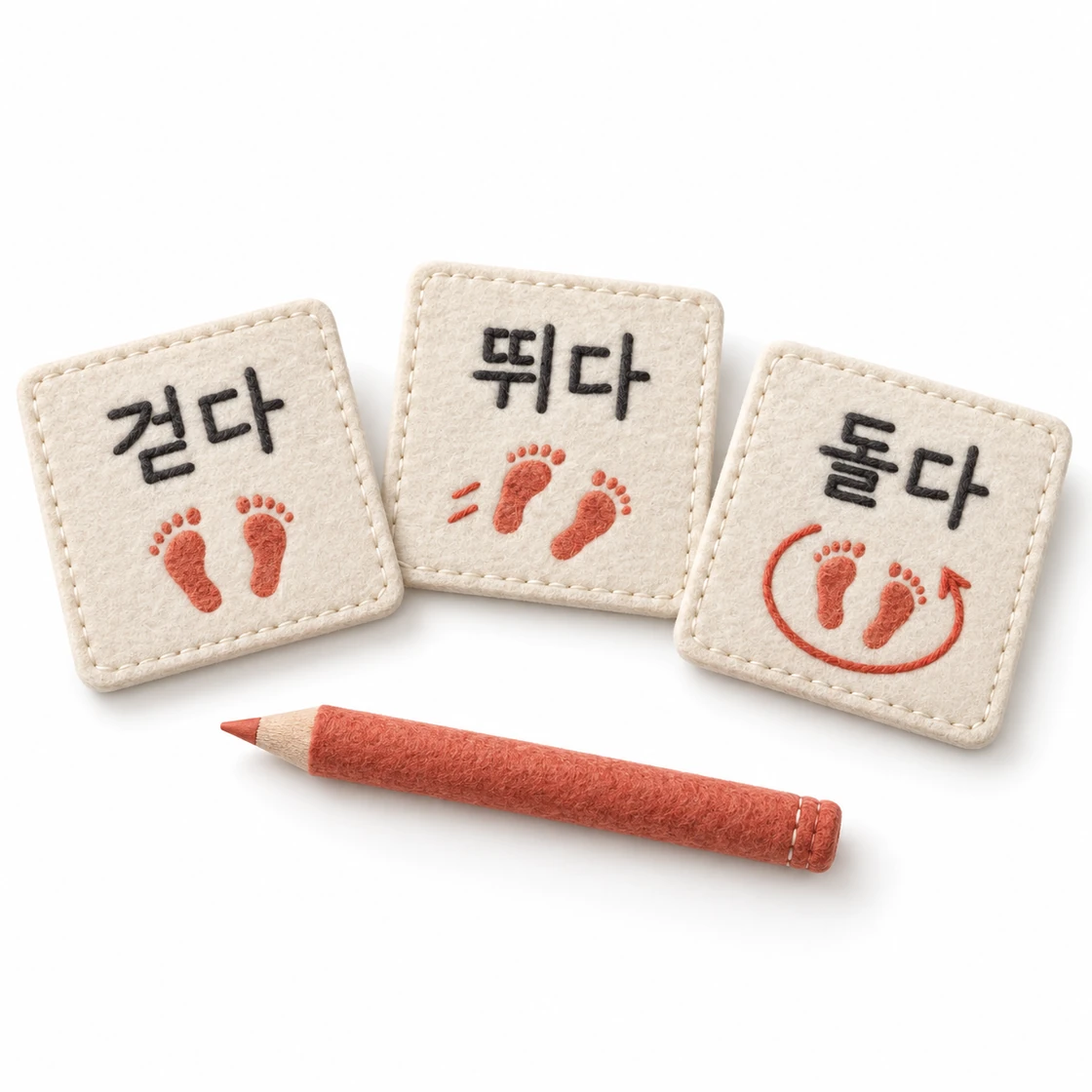
Warm up with K-POP, then learn the Korean words for the movements.
01 / 03
Before class
Learn rhythm and basic moves from an instructor who majored in dance.
02 / 03
During class
Learn the words behind the moves, such as 돌다 (turn) and 멈추다 (stop).
03 / 03
After class
Co-creation is only for students who want it. No dancing needed: you can plan, write or edit instead.
Research and school examples we drew on+
Exercise and memory (John Ratey of Harvard Medical School; Naperville Central High School), Finland’s Schools on the Move, and gestures and vocabulary memory (Max Planck Institute, 2015).
We drew on these for the class design; they do not show that LAB’s classes work.
Skills for the AI era
Even with AI, you make the call
Decide for yourself what to make and for whom, then finish it with others.
01
Values
Decide what matters and whom you want to help.
02
Creativity
Find topics in your own experience.
03
Cooperation and care
Work out roles and schedules together.
04
Openness
Listen to other views and think again.
05
Judgement
Check AI answers against sources and fix them.
06
Expression
Explain in Korean what you did and why.
Compass · Crew · Portfolio
From a goal to finished work, made by you
Every eight weeks, set a goal, make something with your team (your crew) and keep a record of how you revised it.
01 / 04
Set a goal
In the Compass, the goal-setting session held when you enrol and every eight weeks, choose your next challenge.
02 / 04
Create together
The crew splits the roles and sees the work through.
03 / 04
Revise your work
Look at your teacher’s feedback and try again.
04 / 04
Record the process
Put the reasons for your revisions in your portfolio.
An example of planned classes, not real student results.
Personalized learning app · In development
Practise through games; the next task follows your record
Use the Korean you learned from the textbooks inside the games. We are developing an app that picks the next task from each learner’s answers and the places they needed help.
01 / Korean for real situations
Practice Korean you will use
Listen in racing, rhythm, Wind Run and Order Rush; read in the story, notice and blank games.
02 / Understanding the learner
Find a way of learning that suits you
We start by asking why you are learning and how you like to study, then find what you do well and what is hard.
03 / Personalized tasks and feedback
Tasks adapt to your learning record
Hard expressions come back for practice, and we check whether you can use them without help.
SYNK LAB / KOREAN THROUGH PLAY
Seven Korean games to play right now
Short games where you listen, read and answer with your hands. They start right in the browser, with nothing to install.
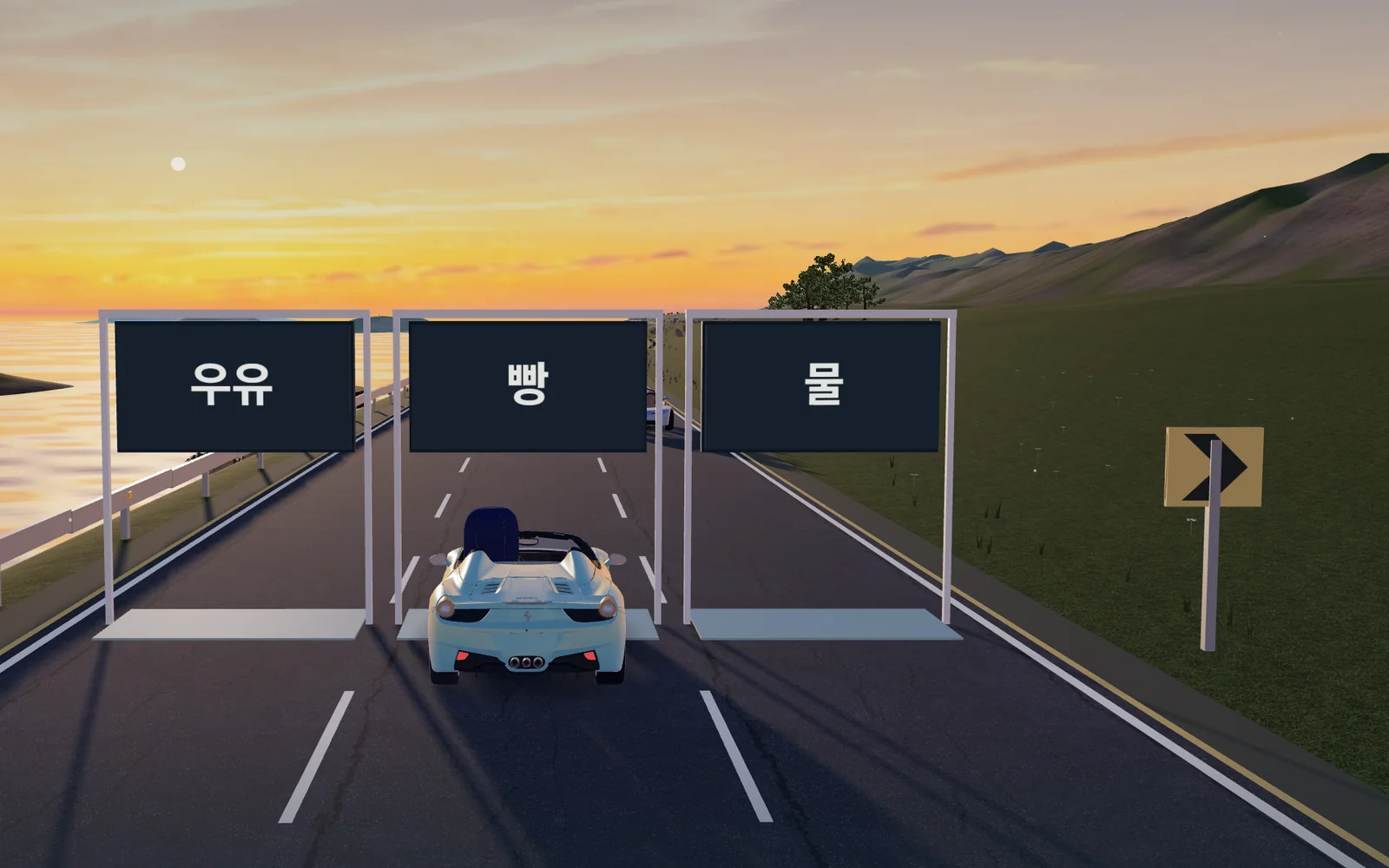
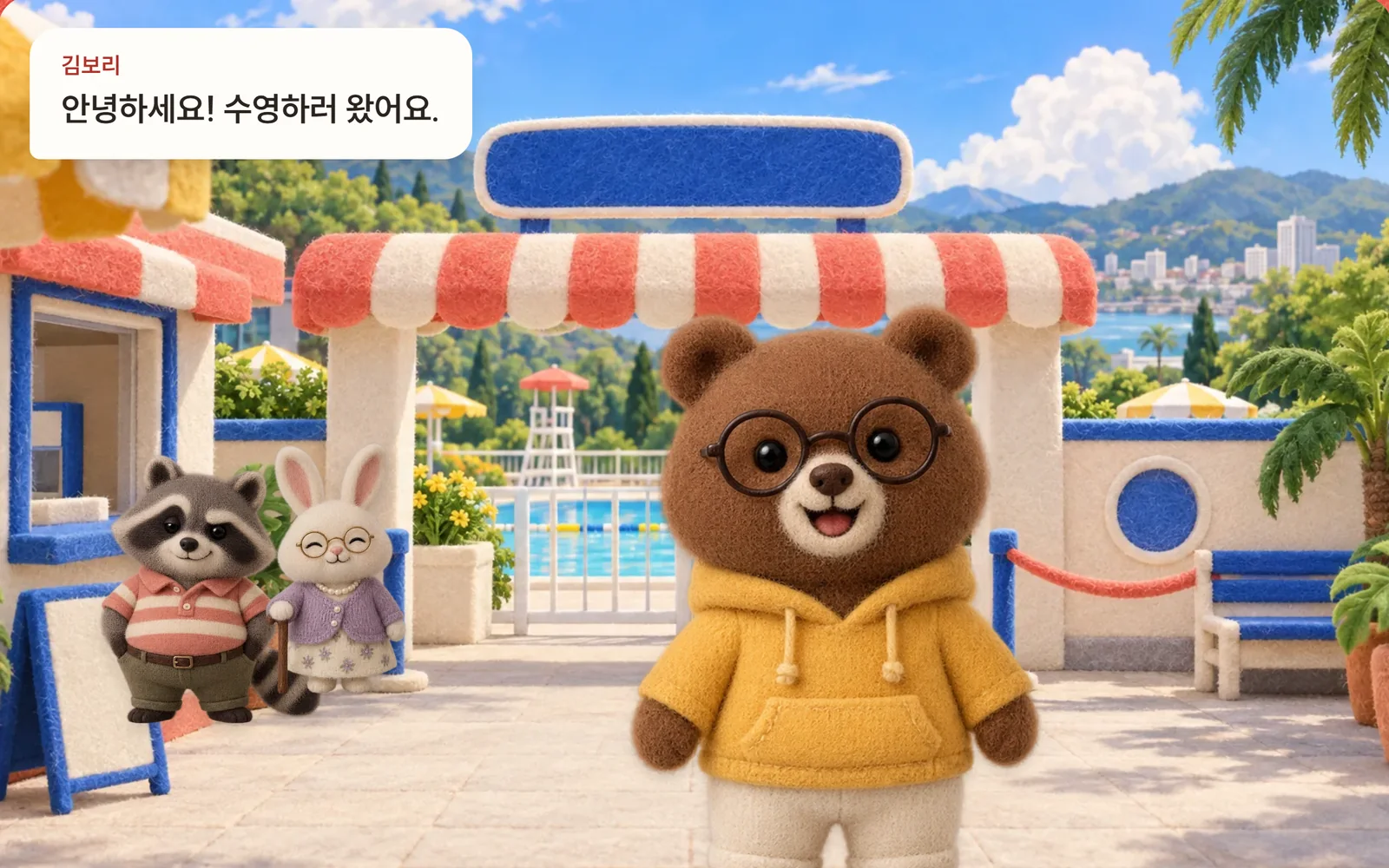
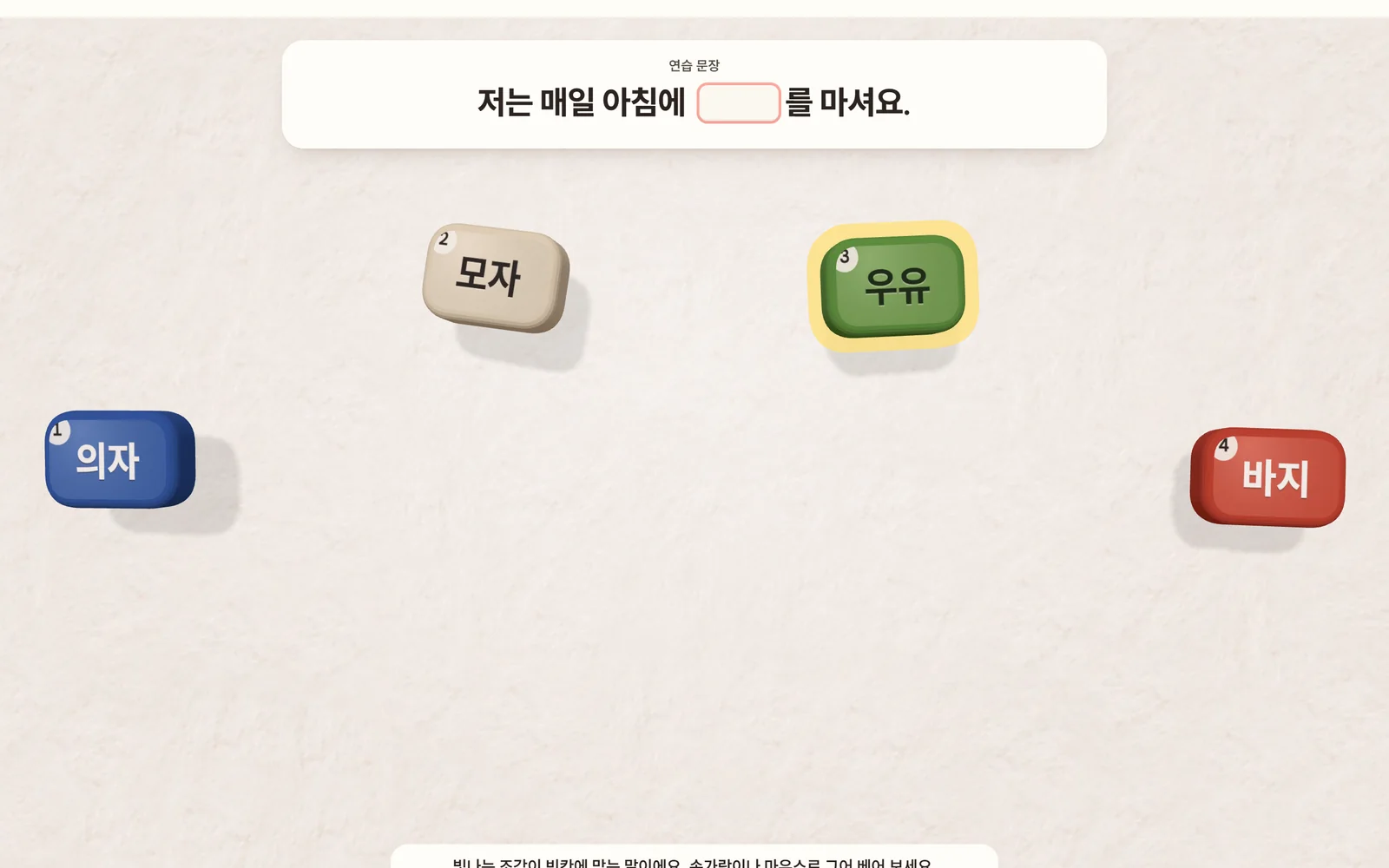
Find the picture or word you hear and drive through its lane; in the sentence challenges, pick the answer to what you hear or read. Get it right and a boost carries you past the car ahead.
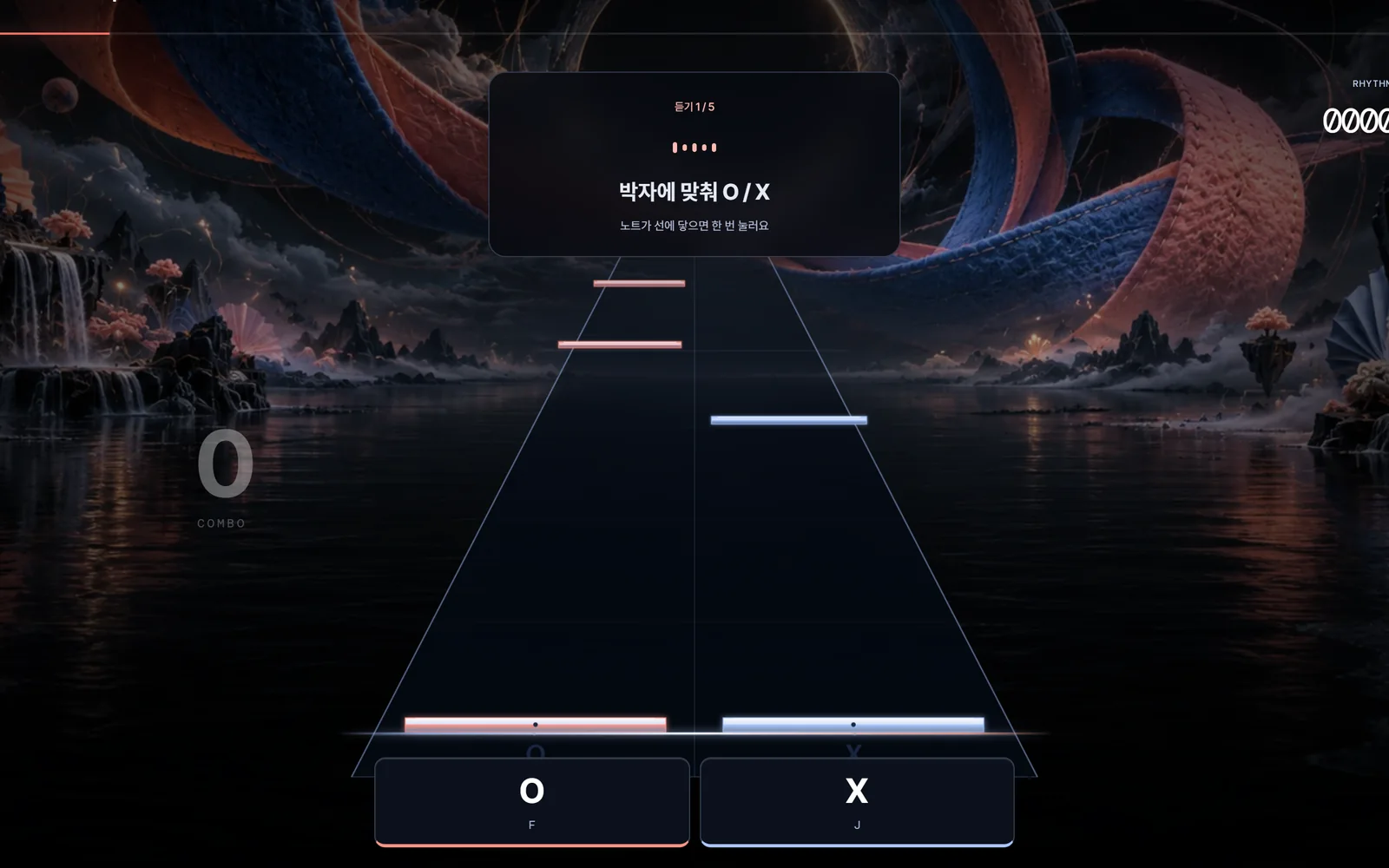
Play along to three Korean songs we made. When the music softens, listen to a short Korean sentence and question, then answer with two buttons, O or X.
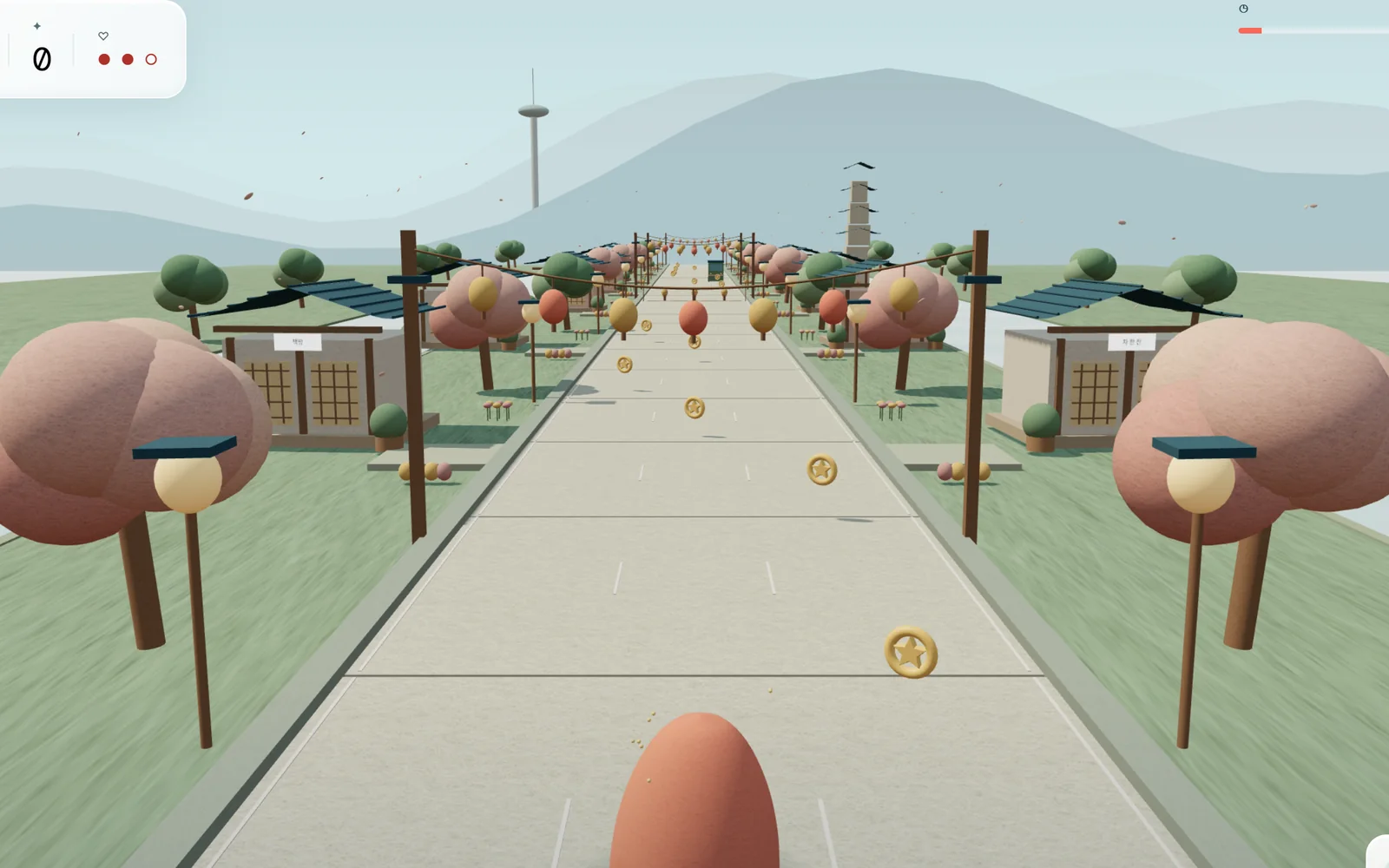
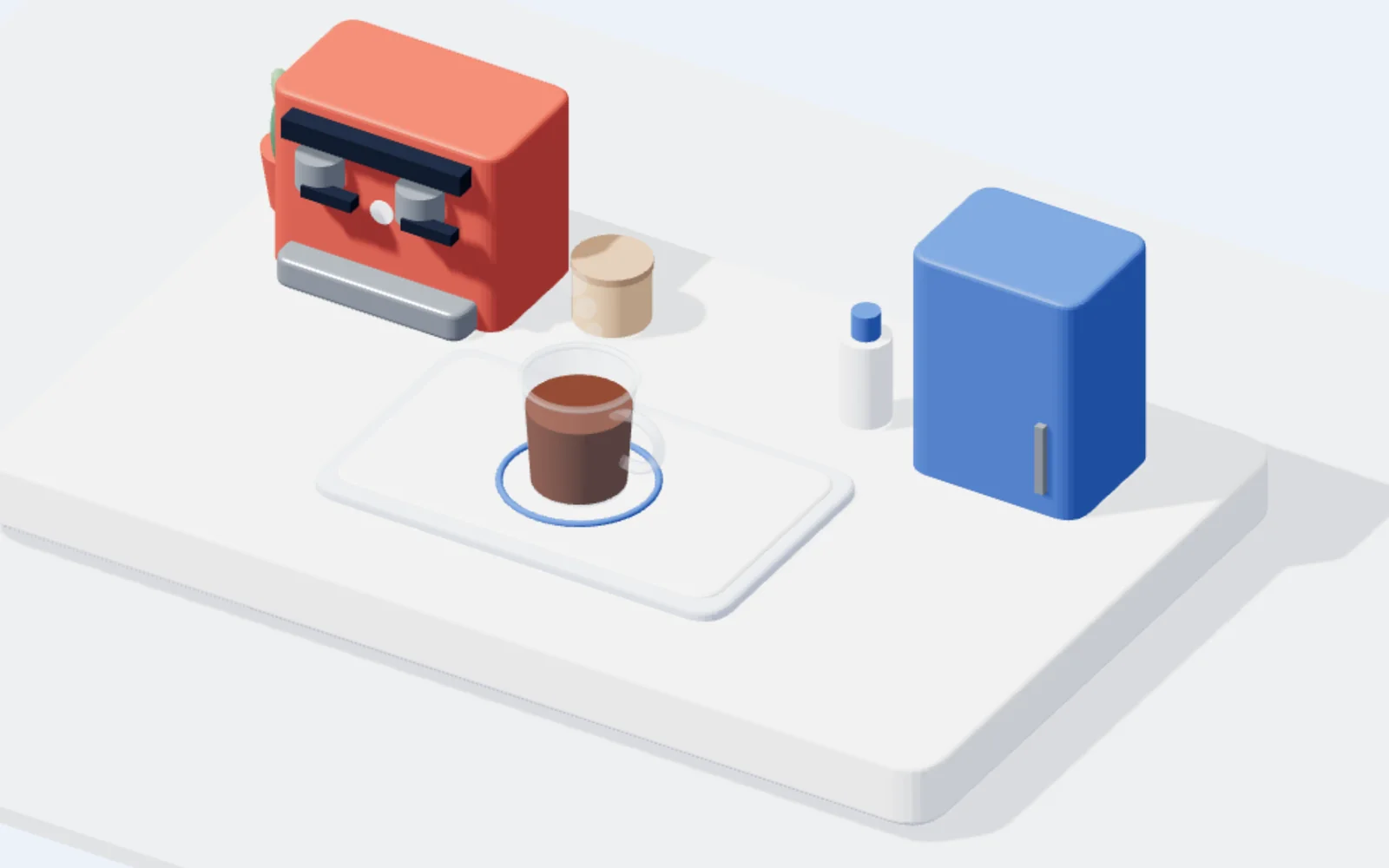
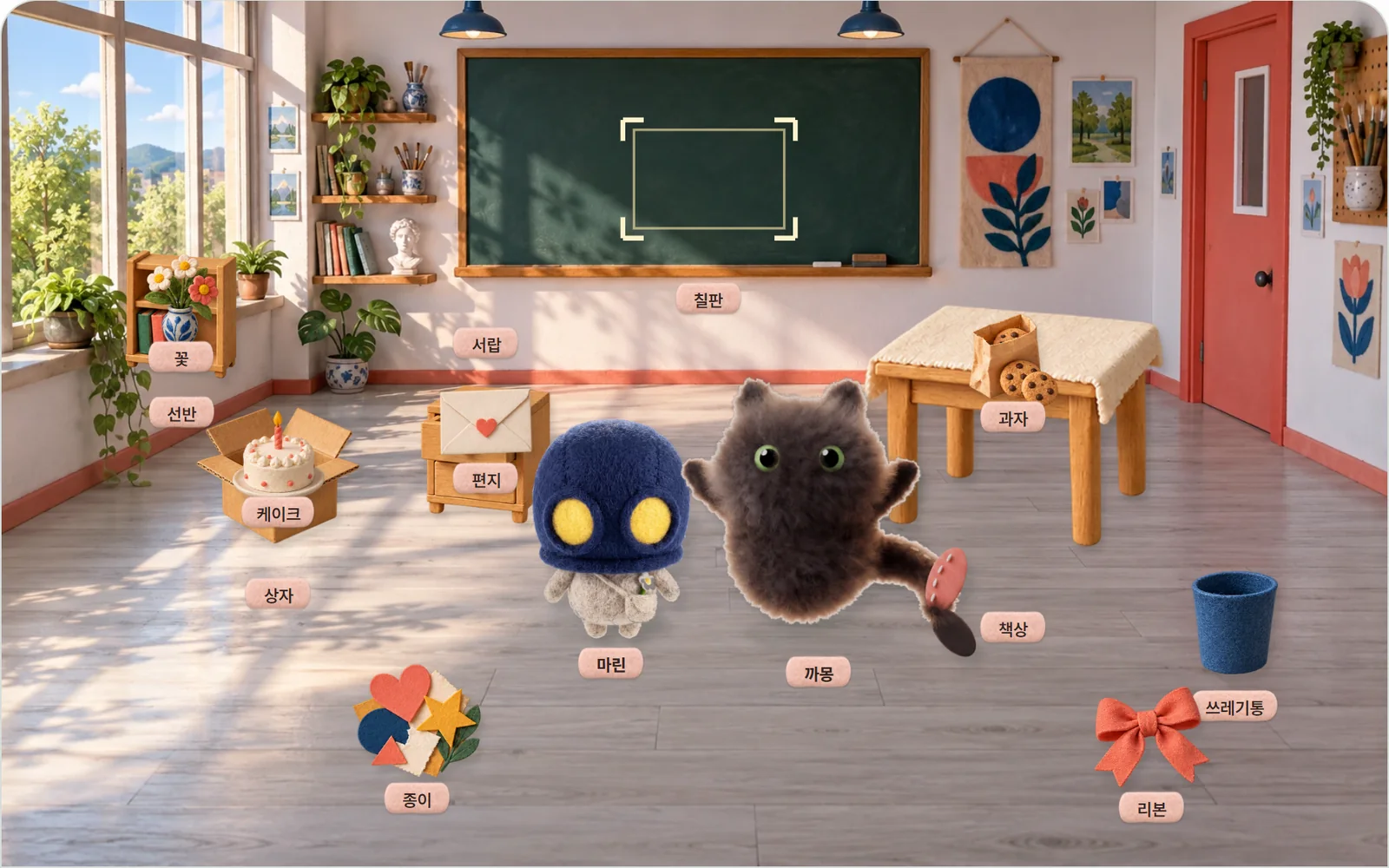
What you understand decides what happens in the game: run where the request says, make the drink that was ordered, stamp by the notice.
02
Look back after each round
After each round you see what you got right and what you missed. Words in Rhythm reviews with new audio questions, and The Teacher Is Back gives new text to read.
03
One learning record
All seven games share this device’s learning record, and Atlas uses it to choose what comes next. The record stays in this browser.
Listening and reading in the games, speaking and writing in class. TOPIK I tests listening and reading; writing is in TOPIK II and speaking in TOPIK Speaking. The games are foundational practice and do not guarantee a pass. TOPIK / NIIED ↗
Why games and a narrator +
Learning principles supported by research, built into play.
Game-based second-language learning
Dixon et al. (2022) reported a positive average effect on second-language learning in between-group comparisons (d=0.50). This informed our decision to connect play with language choices.
Yang et al. (2021) synthesized 222 studies with 48,478 learners and found an average achievement benefit from quizzing (g=0.499). This supports active answering, checking answers, and revisiting questions.
Modality-effect research reports benefits from combining spoken and visual information, with outcomes varying by complexity and pace. We therefore combine short cues, optional captions, replay, and time to choose.
These are average effect sizes from external research, not percentages or measured SYNK results. Retention, understanding of new questions, and TOPIK score changes in beginner Korean learners require separate evaluation.
All seven games are playable prototypes. Ten minigames are in preparation, with conversations with village residents as the next step. There is no sign-in, and the learning record stays in this browser. Racing’s 400 learning stages share the same sunset coastal course.
THE CURRICULUMEight manuscripts completed · Preparing for publication
Textbooks that connect grammar and conversation
Six Synapse Core books and two Synapse Talk books. Learn grammar and put it to use in conversation.
The eight books and their learning goals +
The goal you are viewingCore Book 1 · Introduce yourself
Conversation practice · Synapse Talk 1
These numbers do not indicate learning progress or achievement.
Synapse Core Book 6Grammar · Learning goals by book
From reading Hangul to explaining your opinions.
01Synapse Core Book 1, TOPIK Level 1
Read Hangul and introduce yourself.
02Synapse Core Book 2, TOPIK Level 2
Build basic sentence patterns for everyday conversation.
03Synapse Core Book 3, TOPIK Levels 2–3
Talk naturally about familiar everyday situations.
04Synapse Core Book 4, TOPIK Level 3
Share your opinion and explain your reasons.
05Synapse Core Book 5, TOPIK Levels 3–4
Explain your views on social issues.
06Synapse Core Book 6, TOPIK Levels 4–5
Discuss specialist and abstract topics.
Synapse Talk Book 2Conversation · Connected with Core
Book 1 · Beginner conversationCore Books 1–2
Book 2 · Intermediate conversationCore Books 3–5
The levels indicate each book’s learning goals. Conversation material covers through TOPIK Level 4. Final review, publication dates, and access details will be announced separately.
Visa interviews · Life in Korea · Exploring work
Practise new situations before you face them
We are preparing VR lessons for visa interviews, school life and job interviews.
01
Visa interview
Explain your study purpose and plan in your own words.
02
Daily life and work experience
Ask questions, confirm tasks and ask for help.
VR interview and workplace experiences are in preparation and are not yet formally offered. Activity records do not represent actual work experience or official qualifications.
For a consultation or application, select “Contact our team.”
Frequently asked questions
Contact our team
Tell us what you would like to know about classes, textbooks, or educational partnerships. Contact us to confirm schedules and participation requirements for each program.








 (Korean)
 (Korean)
 (Korean)
 (Korean)
 (Korean)
 (Korean)
 (Korean)